
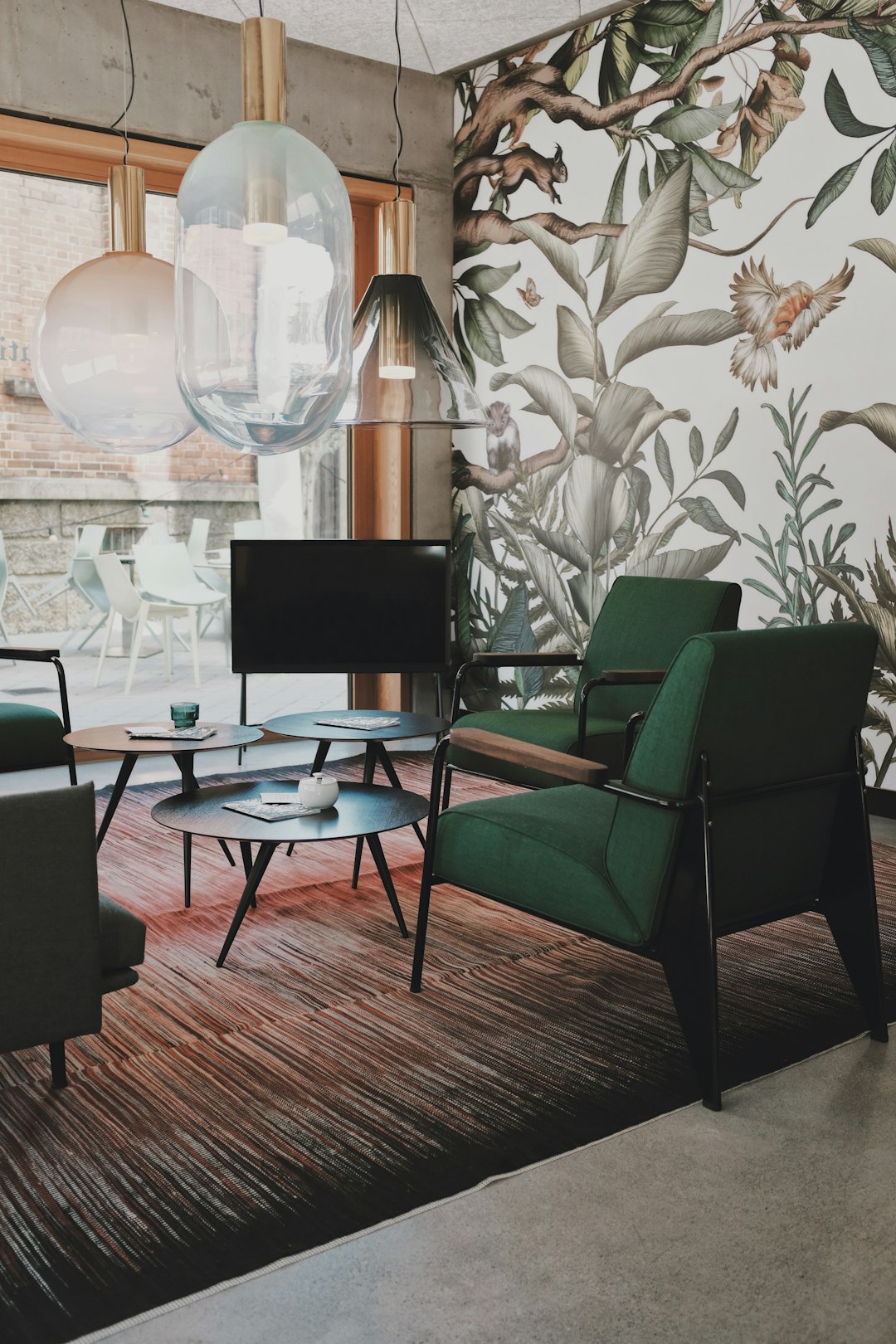
The 5 Biggest “Grown-Up” Design Mistakes Smart Women Still Make—and How to Fix Them
You’ve built a life. A career. A sense of taste. You know what you like.
So why can your home still feel… not quite right?
If you’re a professional woman in your late 50s, 60s, or early 70s, you may be entering a new chapter—downsizing, retiring, blending households, or simply evolving into who you are now. In this season, your home matters more than ever. It should feel calm, elevated, personal, and easy to live in.
And yet, even smart, capable women make design mistakes. Not because they lack style—but because most of us were never taught the “grown-up” version of interior design: the choices that make a home look polished, feel peaceful, and function beautifully.
Below are five of the biggest grown-up design mistakes I see all the time—plus practical, confidence-building fixes you can use right away.
Mistake #1: Buying Furniture That’s the Wrong Scale (Too Small, Too Big, or Too Many Pieces)
This is the quiet design error that creates a constant feeling of “something’s off.”
- A rug that’s too small makes a room feel disconnected.
- A sofa that’s too large makes the space feel cramped.
- Too many small pieces create visual noise and make a room harder to relax in.
This happens often during transition years. You might be:
- moving from a larger home to a smaller one,
- keeping older furniture that no longer suits your space,
- or buying “safe” pieces that don’t have enough presence.
How to fix it: Use the “Anchor, Float, Breathe” method
Anchor: Choose one strong anchor per room—usually the sofa, bed, or dining table.
Float: Give the anchor supporting pieces that relate to it in size (chairs, nightstands, side tables).
Breathe: Leave real space around furniture. A grown-up room isn’t packed.
Quick rules that work
- Rugs: In a living room, your rug should be large enough that at least the front legs of the sofa and chairs sit on it. In a bedroom, the rug should extend beyond the bed so your feet land on softness.
- Coffee tables: Aim for about two-thirds the length of your sofa. Too tiny looks juvenile, too large feels clunky.
- Nightstands: Try for roughly the height of your mattress (or slightly higher). A tiny nightstand next to a tall bed reads “temporary.”
Fast fix: If your room feels scattered, remove one small extra piece (a chair that never gets used, a skinny side table, a random ottoman). Fewer, better-scaled pieces almost always feel more luxurious.
Mistake #2: Treating Lighting Like an Afterthought (The “One Overhead Light” Problem)
If you’ve ever thought, “My home looks fine during the day, but at night it feels flat or harsh,” this is probably why.
Many homes rely on a single overhead fixture. But overhead lighting alone can:
- create unflattering shadows,
- make rooms feel sterile,
- and increase eye strain.
A grown-up home uses lighting the way a great hotel does: layered, warm, and intentional.
How to fix it: Layer your lighting in 3 levels
Aim for a mix of:
- Ambient lighting (general light): ceiling fixture, recessed lights
- Task lighting (function): reading lamps, under-cabinet lights, desk lamp
- Accent lighting (mood): picture lights, sconces, small lamps, candles
The “2 lamps per room” starter step
If you want a simple beginning: add two lamps to your main living area. One floor lamp and one table lamp can transform the entire mood.
Make your lighting feel softer and more flattering
- Use warm-toned bulbs (not stark blue-white). Stick with 2700K which is equivalent to the standard incandescent bulb that mimics warm candlelight. Avoid bright, garish bulbs of 5500K or more (unless it’s for a craft/reading area and you need extra light, especially for older eyes).
- Put lamps on dimmers or smart plugs if possible. Dimmers allow you to control the light and create ambience when you don’t need brightness
- Add a lamp near seating where you read or relax.
Fast fix: If your living room has one overhead light, turn it off tonight and use lamps only. If you feel calmer, you just proved that lighting has been the missing ingredient.
Mistake #3: Hanging Art Too High (And Choosing Art That’s Too Small)
This is one of the most common decorating mistakes—even in beautiful homes.
Art is meant to connect to furniture and to people. When it floats too high, it feels disconnected. When it’s too small, it feels timid.
A grown-up home makes art feel grounded, intentional, and meaningful.
How to fix it: Use these art placement guidelines
- Eye level rule: The center of your art should land around 57–60 inches from the floor (gallery standard).
- Above a sofa or console: The bottom of the frame should be 6–10 inches above the furniture.
- Size rule: Art above a sofa should usually be two-thirds to three-fourths the width of the sofa.
What if you only have small art you love?
You don’t need to get rid of it. You just need to present it in a grown up fashion.
- Group smaller pieces in a gallery wall.
- Add a larger mat and frame to give it presence.
- Layer artwork on a console or shelf with one larger “anchor” piece behind it.
Fast fix: Lower one piece of art by 4–6 inches. It will shock you how much more expensive your room feels instantly.
Mistake #4: Playing It Too Safe With Color (Or Using Color With No Plan)
Smart women often do one of two things:
- They avoid color completely, fearing they’ll choose wrong.
- They use color randomly—resulting in a home that feels busy and not cohesive.
Color isn’t just style. It impacts mood, energy, and how restful your home feels.
And during a life transition, you deserve a space that supports you emotionally.
How to fix it: Choose a “calm palette” and a “spark palette”
Think of your home as having two color jobs:
- Calm palette: your foundation (walls, big furniture, rugs)
- Spark palette: your personality (pillows, art, accessories)
A simple grown-up palette formula
- 60% main neutral (warm white, soft greige, gentle beige)
- 30% supporting tone (wood tone, deeper neutral, muted color)
- 10% accent color (your “spark”)
- And if you feel daring, increase your spark colors and go bolder
Examples of “spark” colors that feel sophisticated:
- deep teal
- olive green
- ink navy
- terracotta
- plum
- warm gold
- tomato red or terra cotta
The secret to making color feel cohesive
Repeat it three times in a room:
- once in textiles,
- once in art,
- once in an accessory.
That’s it. That’s the formula.
Fast fix: If your room feels bland, add one strong accent color in pillows and one piece of art that carries it. If your room feels chaotic, reduce your accents to one color family.
Mistake #5: Prioritizing “Pretty” Over Function (And Then Feeling Low-Level Annoyed Every Day)
This is the most grown-up mistake of all: ignoring the daily experience of your home.
A room can look beautiful and still make your life harder.
Common examples:
- a gorgeous sofa that’s uncomfortable,
- a dining room that’s never used,
- a bedroom without proper storage,
- an entryway with nowhere to put keys, bags, or shoes,
- a living room layout that forces awkward conversation angles.
In your next chapter, your home should support your real routines.
How to fix it: Design around “rituals,” not rooms
Ask:
- Where do I drink my coffee?
- Where do I read?
- Where do I talk on the phone?
- Where do I get ready in the morning?
- How do I want to entertain now?
Then design for those moments.
Upgrade your home’s “ease” with these small fixes
- Add a proper reading lamp next to your favorite chair.
- Create an entry drop zone with a tray, hooks, and a small bench.
- Give every room a landing spot (where items naturally go).
- Improve storage where you feel friction (baskets, drawers, closed cabinetry).
Fast fix: Choose one daily annoyance in your home and solve it this week. When your home stops irritating you, it starts feeling luxurious.
A Simple Grown-Up Room Checklist
If you want an easy way to assess any room, use this quick checklist:
- Scale: Does the rug fit? Does the furniture match the room size?
- Lighting: Do I have at least 2–3 light sources?
- Art: Is it the right height and size for the wall?
- Color: Do I have a clear palette with one repeating accent?
- Function: Does this room support how I live now?
When these five areas are handled, your home feels calmer. More elevated. More “you.”
Final Thought: Your Home Should Match the Woman You Are Now
If you’re in transition, it makes sense that your home might lag behind your identity. We all collect furniture and décor through different seasons of life. But a home doesn’t update itself.
The good news? You don’t need to start over. You need a smarter plan—and a few confident choices.
When you fix these grown-up design mistakes, your home starts to feel intentional again. Like a fresh chapter. Like relief.
Want Help Fixing These in Your Home—Without Overwhelm?
If you’d like a clear, supportive approach to updating your space, consider a design consultation where we:
- identify what’s not working,
- create a simple plan,
- and give you a curated direction that fits your taste, your lifestyle, and your next chapter.
Because you deserve beauty without overwhelm—and a home that welcomes you into the life you’re building now. Call Creative Space Interiors for your free 20-minute phone consult at 510.501.1213 and visit us at www.creativespaceinteriors.biz