
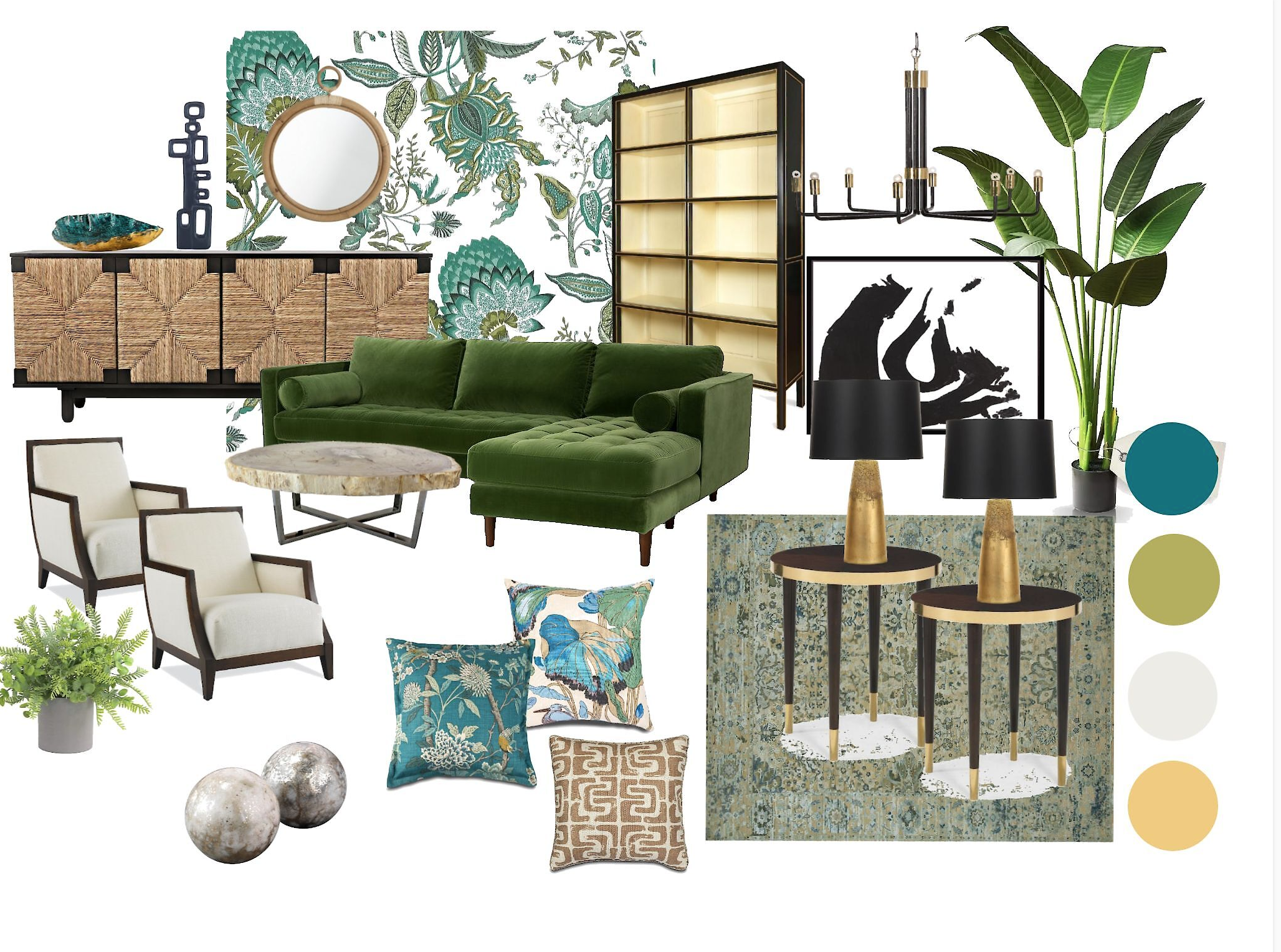
The Science of Feeling at Home: How Design Shapes Your Mood, Energy, and Sense of Belonging
Have you ever walked into a home and felt your shoulders drop—like you could finally exhale? Or stepped into a space that looked “nice,” yet something felt off, restless, or flat? That reaction isn’t random. It’s biology.
Feeling at home is a real experience in your brain and body. Your nervous system is constantly scanning your environment for cues of safety, comfort, and control. When those cues are missing, you may feel tense, distracted, or overwhelmed—even if you can’t explain why.
For professional women in life transition—empty nesting, retirement, a new home, a new chapter—home becomes more than a place. It becomes your anchor. And that’s where science can help. When you understand why certain rooms calm you and others drain you, you can make choices that support your well-being, not just your style.
This is the science of feeling at home—and how you can design it on purpose.
What “Feeling at Home” Really Means
Feeling at home is a blend of three things:
- Safety: Your body relaxes because the environment feels predictable and supportive.
- Belonging: The space reflects who you are—your values, memories, and taste.
- Ease: The room works for your life. It reduces friction, not adds to it.
When those needs are met, your brain shifts out of alert mode. You think more clearly. You rest more deeply. You enjoy your time at home instead of managing it.
Your Nervous System Is the Real Client
Your home is not just a backdrop. It is sensory input.
Your brain takes in light, color, temperature, sound, clutter, layout, and texture every second. Then it decides: safe or not safe? calm or chaotic?
This is tied to your autonomic nervous system, which has two main modes:
- Sympathetic (“go mode”): alert, active, problem-solving
- Parasympathetic (“rest mode”): calm, recovery, digestion, deeper sleep
A home that supports rest mode doesn’t have to be bland. It simply needs the right balance of stimulation and comfort.
If you’ve ever said, “I love beautiful things, but I get overwhelmed easily,” you’re not alone. Many women I work with want a home that feels elevated—without feeling busy. That is a design problem with a science-backed solution.
The Role of Stress Hormones in Your Space
When your environment feels messy, cramped, too bright, or visually loud, your body can treat it like a low-grade stressor. Your stress hormone cortisol may stay elevated longer than you realize. Over time, that can affect:
- Sleep quality
- Mood and patience
- Focus and memory
- Motivation
- The ability to fully relax at home
On the other hand, spaces that feel orderly, warm, and supportive can help signal “you’re safe.” That signal matters—especially in a season of life when you’re already making many decisions.
Design can’t fix everything. But it can stop adding stress.
Why Clutter Feels So Loud (Even When You’re Not a “Messy Person”)
Clutter is not only physical. It’s visual and mental.
Your brain likes clean patterns. When surfaces are packed, your eyes keep landing on “unfinished business.” That creates a subtle sense of pressure.
If your home contains piles, overflow, or too many open shelves, you may feel:
- mentally busy
- like you can’t shut off
- irritated without knowing why
- resistant to inviting people over
The solution isn’t minimalism. It’s intentional editing.
Try this: choose one “calm surface” in your home—an entry table, coffee table, or kitchen counter. Clear it. Style it with just three items: something natural (a plant), something warm (a candle), and something personal (a framed photo). Then notice how your mind responds.
That’s neuroscience in action.
Light: The Fastest Mood Shifter in Your Home
Lighting is one of the most overlooked tools for well-being. It affects your circadian rhythm—your body’s sleep-wake cycle. It also shapes how a room feels emotionally.
A space can be beautifully decorated, but if the lighting is harsh or cold, it will never feel cozy.
Here are simple science-backed lighting shifts that help you feel more at home:
1) Layer your lighting
Use three types:
- Ambient (overall light)
- Task (reading, cooking, work)
- Accent (lamps, art lights, picture lights)
Layered lighting gives your nervous system options. You can make the room feel energetic or restful depending on the time of day.
2) Warm your bulbs
In living spaces and bedrooms, choose warm color temperature bulbs. Warm light feels more like sunset. It signals your body to slow down.
3) Use lamps, not only overheads
Overhead lights can feel interrogating. Lamps create pools of light that feel human and comforting.
If you want your home to feel like a sanctuary, start with lighting. It delivers a big return quickly.
Color Psychology: Why Certain Palettes Calm You
Color is not just decoration—it’s emotional information.
Your brain forms associations with color based on nature, culture, and personal memory. Many women find that overly bright, high-contrast rooms feel exciting at first… and tiring over time.
If you want “beauty without overwhelm,” focus on:
- soft contrasts
- grounded tones
- a consistent undertone
- one or two accent colors used with intention
A calm palette doesn’t have to be beige. You can absolutely have color. The trick is choosing color that supports you.
Examples of calming directions:
- sea-glass greens and warm whites
- soft clay, sand, and charcoal
- muted blues with creamy neutrals
- deep jewel tones used as accents, not everywhere
The goal is a room that feels like a deep breath.
The Power of Nature: Biophilic Design and Belonging
Humans are wired to respond to nature. This is often called biophilic design, and it’s one of the simplest ways to make a home feel more restorative.
You don’t need a forest in your living room. You need natural cues:
- plants or fresh branches
- wood, rattan, linen, wool
- stone, clay, woven textures
- views to the outdoors
- art that reflects nature
- water elements (even a small fountain)
Nature cues help your body feel grounded. They also make a room feel alive, not staged.
Layout and Flow: The Hidden Reason a Room Feels “Off”
Sometimes the issue isn’t style—it’s arrangement.
Your brain likes clear pathways. When furniture blocks movement or feels cramped, your body may stay slightly guarded. You might feel:
- like you can’t fully settle
- like the room is “tight”
- like something needs to be fixed, but you can’t name it
A few flow upgrades that often make an instant difference:
- Pull furniture off the walls when possible for better conversation zones
- Create a clear walking path from entry to seating
- Use a rug large enough to anchor the seating area
- Add a landing spot near the entry (keys, bag, mail)
- Reduce “floating items” with proper storage
A room can be gorgeous and still feel wrong if it doesn’t support your daily rhythm.
Identity and Memory: The Most Personal Layer of Home
Here’s the part most design advice misses: feeling at home is deeply tied to identity.
In a season of change—children leaving, a move, a new relationship, retirement—many women realize their home no longer reflects who they are now.
You might love your things and still feel like the space belongs to a former version of you.
That doesn’t mean you need to erase your past. It means you get to edit and elevate it.
Ask yourself:
- What do I want this chapter to feel like?
- What do I want my home to say about me now?
- What do I want to do more of at home?
- What do I want less of?
When your home reflects your present self, belonging returns.
The “Beauty Without Overwhelm” Formula
If you want a home that looks beautiful and feels calming, use this simple formula:
Comfort + Cohesion + Personal Meaning
- Comfort: supportive seating, cozy textures, warm lighting
- Cohesion: a consistent palette, repeated shapes, fewer competing patterns
- Personal Meaning: art, travel finds, family pieces, memories displayed with intention
This approach gives you a space that feels curated, not chaotic.
A Simple Starter Checklist: Make Your Home Feel Better This Week
You can create a shift quickly with these steps:
- Replace one harsh bulb with a warm bulb
- Add one lamp to a dark corner
- Clear and style one surface with three meaningful items
- Add one natural element (plant, branches, wood bowl)
- Move one chair or sofa to improve flow
- Hang one piece of art at eye level that you truly love
Small changes can create real emotional relief.
Feeling at Home Is a Design Outcome You Can Plan For
When your home supports your nervous system, it supports your life.
You sleep better. You host more easily. You feel proud again. You stop second-guessing every decision and start enjoying your space.
If you’re a professional woman in transition and you want a home that feels like you—beautiful, calm, and personal—there is a clear path. You don’t need more Pinterest boards. You need a process that reduces overwhelm and delivers results.
Ready to create that feeling on purpose?
If you’d like help creating a home that feels like a sanctuary—without decision fatigue—I offer three ways to begin:
- Designer for a Day (clarity, direction, and a plan in one focused session)
- Designer By Your Side (a 20-hour package you use wherever you want in those areas you feel need the most help. You can add on additional time as needed)
- Full-Service Design (a complete, guided transformation from vision to installation)
Reply or reach out to book your consultation, and let’s create a home that supports the life you’re living now. Call Creative Space Interiors at 510.501.1213 and visit us at www.creativespaceinteriors.biz