
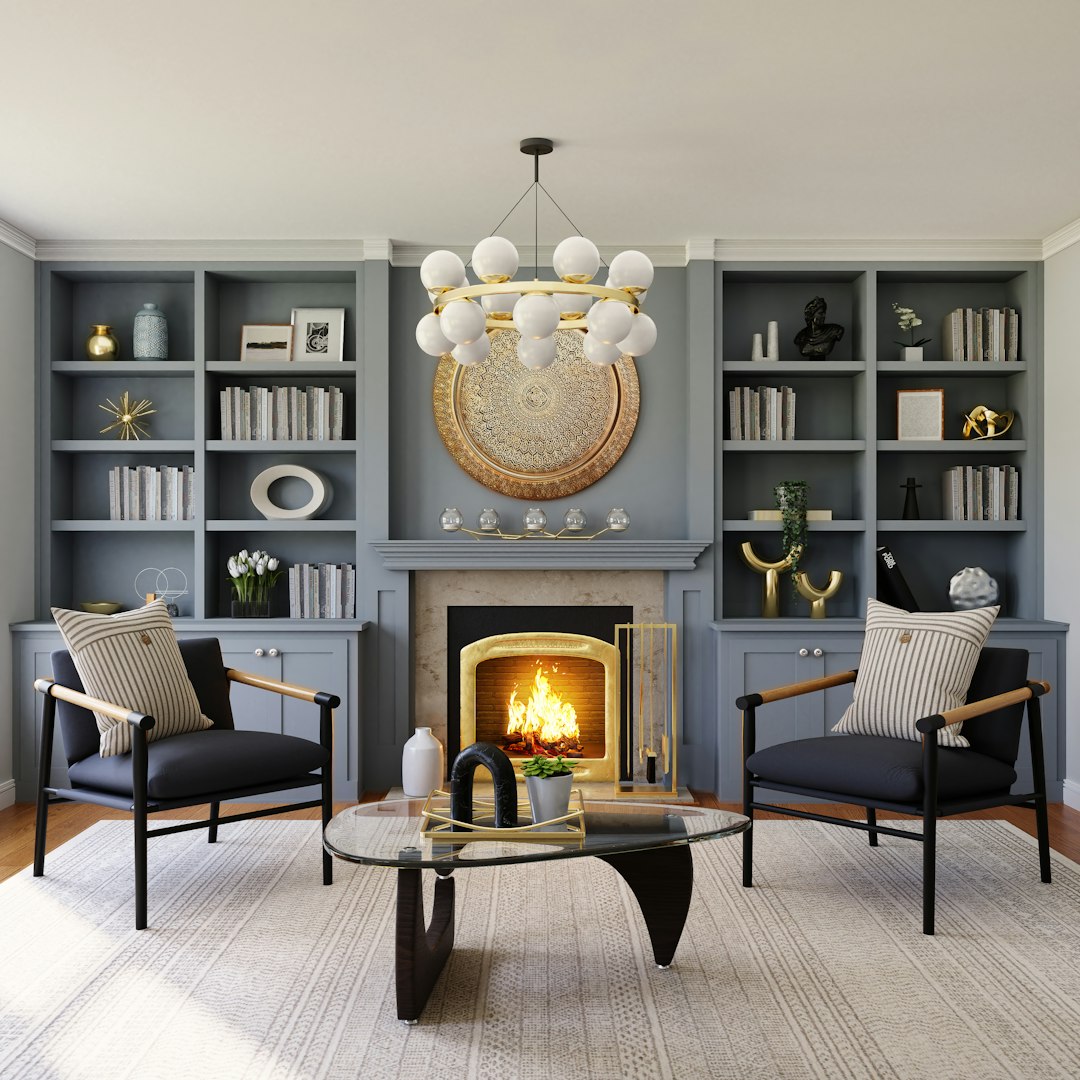
How Professional Women Can Use Interior Design Services to Create a Home That Reflects Who They Are Now
There comes a point when your home stops matching your life.
Maybe your kids have launched. Maybe you’ve retired or shifted careers. Maybe you’re newly single, newly partnered, or simply ready for a new chapter. You look around and think, This space is fine… but it’s not me anymore.
That moment is powerful. It’s also the perfect time to use interior design services in a smart, personal way—not to chase trends, but to create a home that reflects who you are now.
This guide will show you how professional women can work with an interior designer to make their space feel meaningful, calm, and deeply personal—without getting overwhelmed.
Why “Personal” Design Matters More Than Ever
A personal home is not just a pretty home. It’s a space that supports your daily life.
When you walk in the door, you want to feel:
- Grounded
- Energized
- Proud
- At ease
That feeling does not happen by accident. It comes from design choices that reflect your values, your memories, your taste, and your routines.
For many professional women, home has been the place where you took care of everyone else. Now, your home can take care of you.
That shift is not selfish. It’s healthy.
And it’s one of the best reasons to hire an interior designer.
What an Interior Designer Really Does (Beyond Picking Pillows)
If you’ve never hired a designer, you may picture shopping trips, paint chips, and endless options.
A good residential interior designer does something much more valuable: they help you clarify what you want, then turn it into a plan.
Interior design services often include:
- Space planning (how the room functions and flows)
- Furniture layouts and scale guidance
- Color palette development
- Lighting recommendations (ambient, task, accent)
- Selecting furnishings, art, rugs, and décor
- Sourcing and purchasing (often with trade access)
- Styling and final placement
- Project management support and timelines
Most importantly, a designer helps you avoid expensive mistakes. They protect your time, your budget, and your energy.
If decision fatigue is real for you, design support can feel like a relief.
Step 1: Start With Who You Are Now (Not Who You Were)
Before you talk about sofas, talk about you.
When you work with an interior designer, the most important step is sharing your current identity—your season of life today.
Ask yourself:
- What do I want my home to say about me now?
- How do I want to feel in each room?
- What parts of my home feel outdated or “not mine”?
- What do I want more of: calm, joy, warmth, clarity, beauty?
A designer can translate these answers into a clear direction.
This is where personal design begins: not with a trend, but with your truth.
Step 2: Define Your “Non-Negotiables”
Professional women are used to making fast decisions. But home decisions are different. They can feel emotional.
Non-negotiables make it simpler.
Here are examples of strong non-negotiables:
- “I want a living room that invites conversation, not just TV.”
- “I need a bedroom that feels like a retreat.”
- “I want fewer pieces, but better quality.”
- “I want my art to be the hero.”
- “I need comfort for my body and my guests.”
- “I want the house to feel modern, but not cold.”
Share these early. They become your design compass.
They also help your designer protect you from impulse buys and endless options.
Step 3: Use Your Daily Routines as the Design Blueprint
The most personal spaces are built around real life.
Design that looks good but fights your routines will never feel like home.
Work with your interior designer to map out:
- Morning flow (coffee, reading, getting ready)
- Evening flow (wind down, lighting, comfort)
- Hosting style (intimate dinners, big holidays, casual wine nights)
- Wellness needs (movement space, better sleep, less clutter)
- Work needs (hybrid office, Zoom background, storage)
This is how interior design becomes personal: it supports the way you live today.
Step 4: Curate Your “Story Pieces” Before You Buy Anything New
Your home should not feel like a showroom. It should feel like you.
A great designer will help you identify and highlight what I call your story pieces:
- Artwork you collected or inherited
- Books, objects, or travel finds
- A family dining table with history
- A textile or rug that holds meaning
- A single bold piece that feels like self-expression
Even if your style is clean and modern, your story pieces add soul.
Instead of replacing everything, start by curating what matters most. Then design around it.
That is the difference between “decorated” and “personal.”
Step 5: Ask for a Clear Visual Plan (So You Don’t Second-Guess)
One reason professional women hesitate to invest in design help is fear of making the wrong choices.
This is where design process matters.
To avoid costly doubts, ask your designer for tools that increase confidence, such as:
- A furniture plan with measurements
- A mood board or concept board
- A color palette with finishes
- A shopping list with links and options
- Renderings or simple 3D views (if available)
Seeing the full plan reduces anxiety. It also keeps the project moving.
When you can visualize the outcome, decisions become easier.
Step 6: Use Interior Design Services to Edit, Not Add
Many homes feel “off” because there is too much happening.
Professional women often have collected beautiful things over time. But life changes, and the home evolves. What once fit may now feel heavy or cluttered.
A designer can help you edit with intention:
- Remove what no longer represents you
- Rehome pieces that feel tied to an old chapter
- Keep what still feels aligned
- Replace only what truly needs upgrading
This is not about minimalism. It’s about clarity.
Editing is often the fastest way to make a home feel more personal.
Step 7: Invest in the Pieces That Change Everything
You do not need to redo your entire home to feel a dramatic shift.
A skilled interior designer will guide you to the “high-impact anchors,” like:
- The right sofa in the right size
- A rug that grounds the room and adds warmth
- Lighting that softens the mood and elevates the look
- Window treatments that add polish and privacy
- Art that reflects your taste and confidence
These are the pieces that create a new baseline.
Once your anchors are right, the rest becomes easier.
Step 8: Make Color Personal (Not Trendy)
Color is emotional. It’s also one of the quickest ways to reflect who you are now.
Instead of asking, “What’s in style?” ask:
- What colors make me feel calm?
- What colors make me feel strong?
- What colors feel like me?
A designer can create a palette that fits your home’s architecture and light, while still aligning with your personality.
Even small color shifts—pillows, art, a rug, a painted room—can signal a new season of life.
Step 9: Choose a Designer Who Makes You Feel Seen
Interior design is personal. So the relationship matters.
When you interview designers, pay attention to how you feel.
A good match will:
- Listen deeply
- Ask smart questions
- Offer clear steps and timelines
- Respect your investment level and boundaries
- Make decisions easier, not harder
- Help you express your style, not theirs
If you’ve ever felt dismissed in a luxury store, you’ll appreciate a designer who treats your taste with respect.
You deserve a home that reflects your point of view.
How to Get the Most Value From Interior Design Services
If you want a smooth, high-value experience, use these best practices:
- Be honest about your investment level early. A designer can work within real numbers.
- Share inspiration then explain why you like it. Your feelings matter more than the photo.
- Decide how involved you want to be. Some clients want options; others want a curated path.
- Trust the process. Good design takes sequencing and patience.
- Commit to fewer, better decisions. This is how you avoid overwhelm.
When you treat design like a guided strategy (not a shopping spree), you get results that last.
Your Home Can Reflect Your Reinvention
If you’re a professional woman in transition, your home can become more than a place you live.
It can become:
- A reflection of your confidence
- A support system for your daily life
- A calming space that helps you breathe
- A personal gallery of what you love
- A new beginning you can see and feel
You don’t need to do it alone. Interior design services exist for this exact moment: when you want your home to match the woman you are now.
Ready to Create a Home That Feels Like You?
If you want a home that feels beautiful without the overwhelm, working with Steve Adams of Creative Space Interiors can be the most supportive next step.
Start with one room. Start with a plan. Start with clarity.
Because you’ve earned a space that reflects your life today—not the life you’ve outgrown.
Call today for a free 20-minute Design Inquiry call at 510.501.1213 and visit our site at www.creativespaceinteriors.biz