
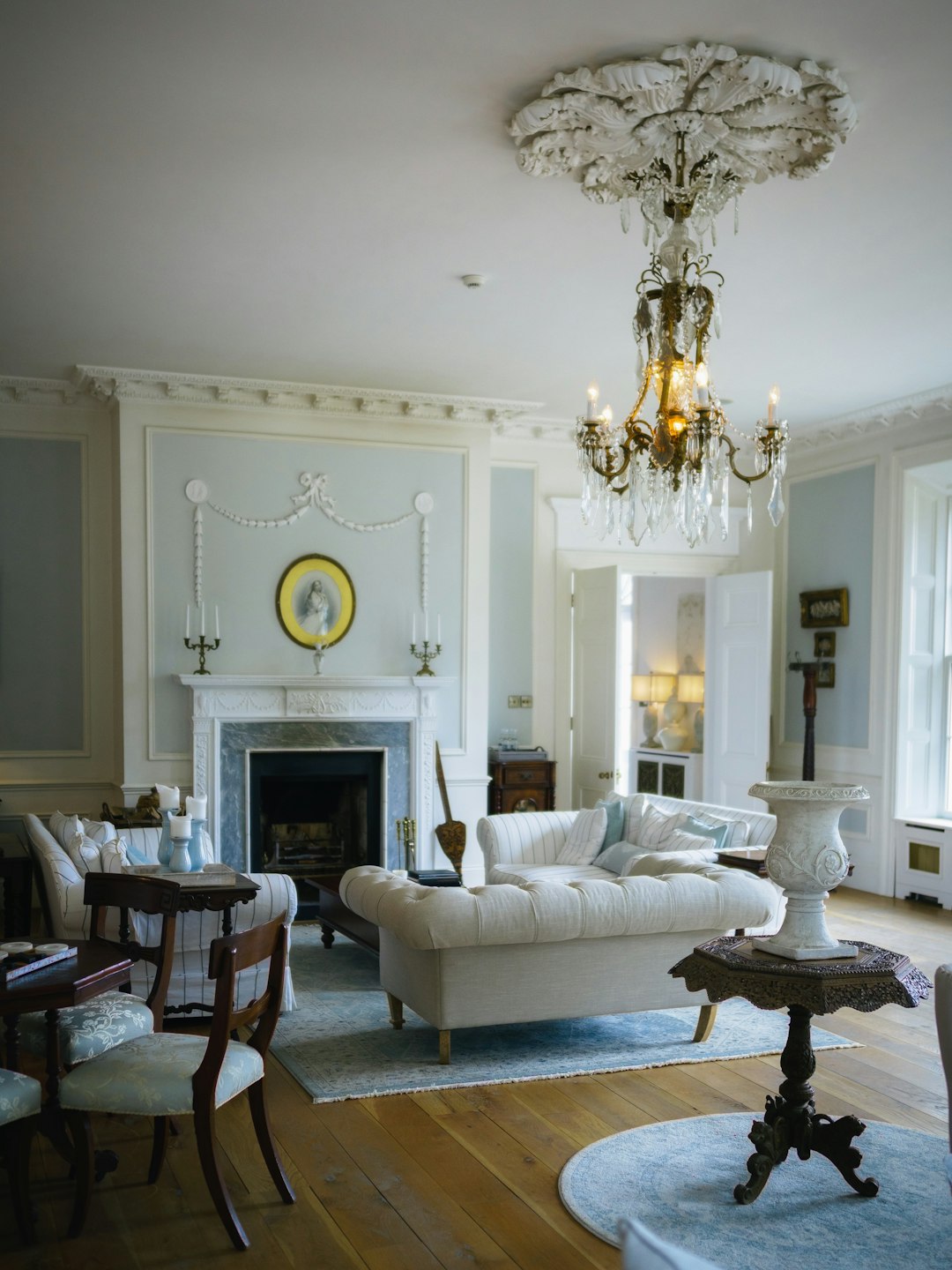
Why Traditional Interior Design Styles Are Making a Comeback — And Why That’s Good News for Your Home
You’ve spent decades building a life that reflects who you are. Now you’re ready for a home that does the same. And if you’ve been feeling a quiet pull toward warmth, craftsmanship, and rooms that feel genuinely lived-in rather than staged for a photo shoot, you’re not alone. Traditional interior design styles are experiencing a full-scale revival and for women who know their own minds, the timing couldn’t be better.
This isn’t about decorating the way your grandmother did. It’s about reclaiming beauty that lasts. In a design world that spent the better part of two decades chasing cold minimalism and disposable trends, traditional home design is returning with a fresh confidence. Richer palettes. Meaningful antiques. Rooms that invite you to stay awhile. Here’s what’s driving this shift and how to bring it home in a way that feels completely, authentically you.
The Return of Traditional Interior Design: What’s Really Going On
Interior design trends, like fashion, move in cycles. The ultra-minimalist aesthetic that dominated the 2010s (think white walls, sleek surfaces, and “less is more” taken to its logical extreme) has begun to feel, for many homeowners, emotionally empty. Designers and clients alike started asking: where’s the soul?
The answer came in the form of a return to traditional design principles. According to major design forecasters, searches for terms like “cozy home interiors,” “classic interior design,” and “traditional living room decor” have surged in recent years. Houzz, Pinterest, and Instagram feeds that once celebrated stark white kitchens are now full of warm wood tones, jewel-toned upholstery, and rooms layered with texture and personal history.
For women in their 50s, 60s, and 70s, this trend feels less like a trend and more like a homecoming. Many of you have always been drawn to classic interior design but felt pressure to modernize for resale value, to suit a partner’s taste, or simply because “everyone was doing it.” Now the design world has caught up with what you’ve known all along: a beautiful home should feel beautiful to live in, not just photograph.
What Makes a Home “Traditional”? The Defining Elements of Classic Interior Design
Traditional interior design is often misunderstood as “old-fashioned” or “heavy.” In reality, it’s a design philosophy rooted in quality, symmetry, and the kind of layering that takes a room from merely decorated to deeply personal. Here are the elements that define it.
Rich, Grounded Color Palettes
Traditional home design embraces color with confidence. Deep navy, warm burgundy, forest green, and tobacco brown create rooms that feel anchored and enveloping. These aren’t timid choices. They’re the choices of someone who knows what she loves. Layered with creams and golds, a traditional color palette creates warmth that no greige wall can replicate.
Quality Furniture with History and Craftsmanship
Traditional furniture design prioritizes hand-crafted detail: carved wood legs, rolled arms on sofas, cabriole feet, and upholstery that’s meant to last decades, not seasons. Mixing antique or vintage pieces with thoughtfully chosen new furniture creates the layered, collected look that defines classic interior design at its best. A beautifully restored chest of drawers tells a story. A flat-pack side table does not.
Pattern, Texture, and Layering
Where minimalism removed pattern from the home, traditional design celebrates it. Florals, plaids, stripes, and damasks mix together when handled with a skilled eye. The key is scale and color: vary the scale of your patterns and anchor them within a consistent palette. Add texture through wool throws, linen drapery, Persian rugs, and velvet cushions. Rooms that engage multiple senses feel inviting in a way that bare surfaces simply can’t.
Symmetry and Architectural Details
Traditional interior decorating leans on architectural symmetry for a sense of order and calm. Matching table lamps flanking a sofa. A pair of armchairs facing a fireplace. Bookcases flanking a doorway. These classic arrangements create rooms that feel intentional and resolved. If your home has original architectural details (crown molding, wainscoting, picture rails, coffered ceilings) traditional design will honor and highlight them rather than fight them.
Modern Traditional: Where Classic Meets Contemporary Living
Here’s what excites the best interior designers working today: traditional design is not being revived as a museum piece. It’s evolving. The most compelling rooms right now blend the warmth and craftsmanship of classic interior design with the edited clarity of contemporary life. Designers call this “modern traditional,” and it may be exactly what you’re looking for.
Modern traditional design keeps the bones of classical style the quality furniture, the rich color, the layered textiles while letting go of the fussiness that can make traditional rooms feel overwhelming. Fewer pieces, more breathing room. A vintage Persian rug on a wide-plank wood floor. A classic tufted sofa in a surprising color. Antique art alongside clean-lined shelving. The result is a home that feels deeply personal, beautifully livable, and anything but dated.
For professional women who have spent years in polished, efficient environments, modern traditional design offers something genuinely restorative: a home environment that is sophisticated without being cold, curated without being sterile.
Traditional Design Styles to Explore: Finding Your Vocabulary
Within the broad umbrella of traditional interior design, there are distinct styles worth exploring. Each has its own character, and many blend beautifully.
American Traditional
Rooted in Colonial and Federal influences, American traditional interior design is warm, approachable, and deeply comfortable. Think navy and cream, quilts and wood furniture, fireplaces with tile surrounds, and rooms that prioritize family gathering. This style is having a particular resurgence in the Northeast and mid-Atlantic regions, where older homes have the architectural bones to support it beautifully.
English Country and Cottage Style
English country house style with its chintz fabrics, botanical prints, layered rugs, overflowing bookshelves, and rooms that look happily undone is perhaps the biggest story in interior design right now. Designers like Penny Morrison and Mlinaric have brought this aesthetic to a new generation. It is the antithesis of showroom-perfect, and that’s precisely why it resonates. A room in this style looks like it’s been loved for generations because it has been.
French Provincial and European Classical
French provincial interior design brings elegance without ostentation. Soft linens, aged wood, hand-painted furniture, and a palette drawn from lavender fields and stone farmhouses create rooms that are simultaneously refined and relaxed. European classical influences, Italian, Swedish, Austrian, add another layer of sophistication for those who want something more formal while retaining warmth.
Where to Begin: How to Bring Traditional Design Into Your Home
If you’re ready to embrace traditional home design, the good news is you don’t need to start over. Most traditional interiors are built gradually, and many of the most beautiful rooms incorporate pieces that have been in the family for years alongside more recent finds.
Start with color. Choosing a deep, grounded wall color is the single most transformative thing you can do to move a room from flat to rich. Layer in quality textiles next: curtains that pool slightly on the floor, a well-chosen area rug, upholstered pieces in patterns or textures that delight you. Then bring in the personal layer art, books, objects with meaning. This is where traditional design becomes your design.
One caution: traditional interior design done poorly can become cluttered or disconnected. A skilled interior designer will help you find the thread that ties your rooms together a consistent palette, a repeated material, a design sensibility that is distinctly yours. The goal isn’t a showroom. It’s a home.
You Don’t Have to Figure This Out Alone
Traditional interior design is back and it’s bringing with it everything that makes a home feel like a home: warmth, beauty, history, and intention. For women who are ready to stop compromising and start living in spaces that truly reflect them, this is a remarkable moment to redesign with confidence.
At Creative Space Interiors, we specialize in helping women just like you create homes that feel deeply personal, beautifully layered, and completely livable. Whether you’re drawn to English country charm, American traditional warmth, or a modern take on classic European style, we’ll help you find your design language and bring it to life.
Ready to explore what traditional design could look like in your home? Call us at 510.501.1213 or visit us at www.creativespaceinteriors.biz to start the conversation.