
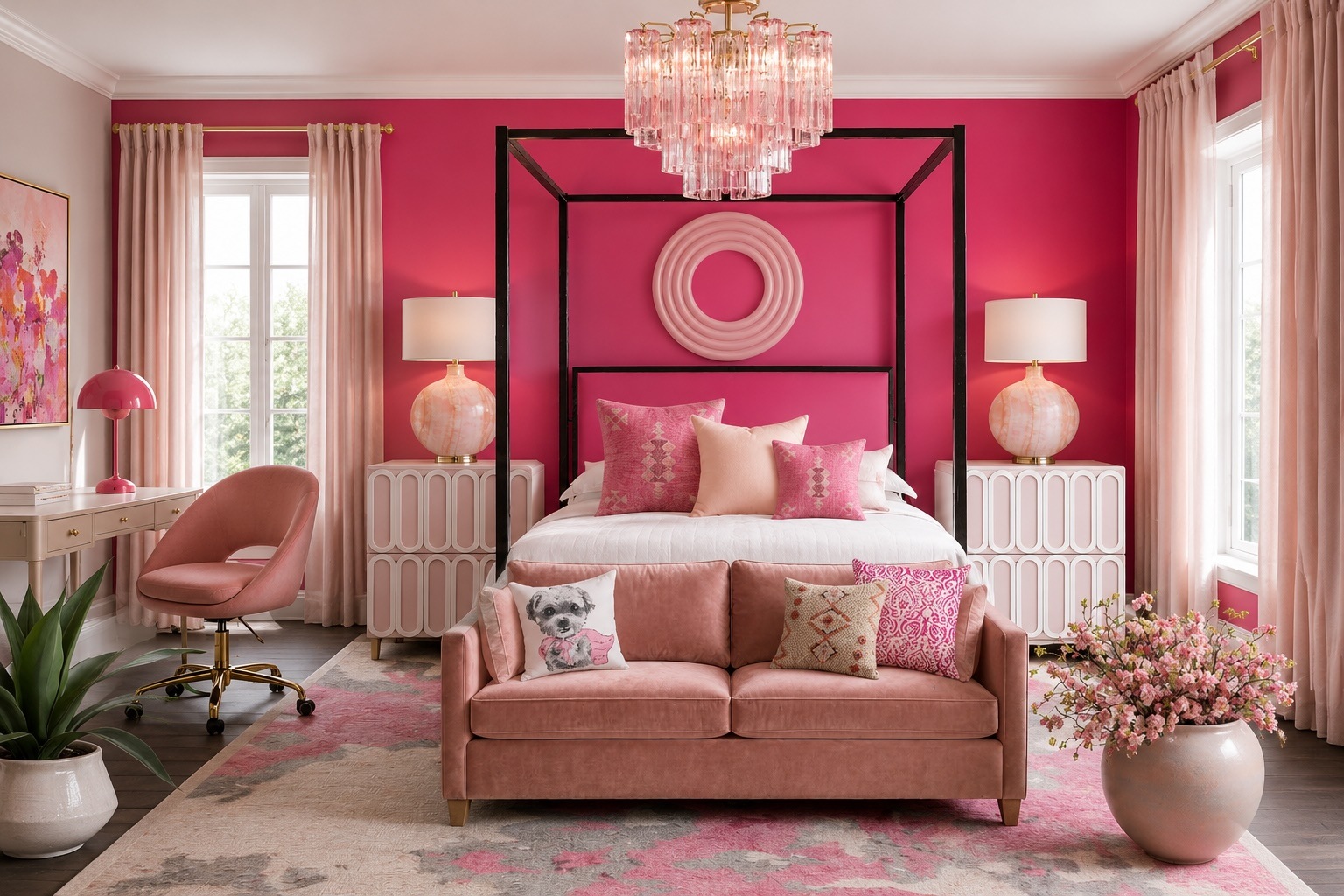
How to Make Your Home Feel Like You After Divorce: A Guide for Women Starting Over
Reclaiming your space, your style, and your sense of self one room at a time
You signed the papers. You moved into the new place or maybe you kept the old one, which somehow feels even stranger. Either way, you walk through your front door and something feels off. The space doesn’t quite fit yet. It doesn’t feel like you.
If you’re a woman navigating life after divorce, downsizing after the kids left, or simply starting fresh in your 40s, 50s, or beyond, this feeling is completely normal. And it’s also a doorway. Because on the other side of that discomfort is one of the most exciting opportunities you’ll ever have: the chance to build a home that is entirely, unapologetically yours.
This guide will walk you through how to reclaim your living space after divorce, turn a transitional home into a personal sanctuary, and use intentional interior design to support your emotional healing all without blowing your budget or calling in an expensive designer.
Why Your Home Environment Matters More Than You Think
Research in environmental psychology shows that our physical surroundings directly affect our mood, energy levels, and sense of identity. After a major life transition like divorce or becoming an empty nester, your home is no longer just a backdrop to daily life — it becomes a reflection of who you are now, not who you were.
Living in a space that feels mismatched or leftover can quietly reinforce feelings of uncertainty or loss. On the flip side, a home that feels aligned with your values and personality can boost confidence, reduce anxiety, and signal to your nervous system that you are safe, settled, and whole.
The good news? You don’t need a full renovation or an unlimited budget. You need intention.
Step 1: Do a “Values Edit” Before You Buy Anything
The biggest mistake women make after divorce is rushing to fill their space: buying new furniture, painting walls, or decorating on impulse, before they’ve done the inner work of figuring out who they are now.
Before you order a single throw pillow, pause and ask yourself:
What three words do I want my home to feel like? Not look like. Feel like. Calm. Bold. Joyful. Earthy. Sophisticated. Cozy. These words become your design filter. Every purchase, every arrangement, every color choice gets run through this lens.
What do I want more of in my life right now? Rest? Creativity? Connection? Your home can actively support these intentions. A reading nook signals rest. A large dining table signals community. A dedicated studio corner signals creative priority.
What have I always loved but compromised on? Maybe your ex hated color so everything stayed beige. Maybe you always wanted a gallery wall but it “wasn’t the right time.” Now is the right time.
Write these answers down. Pin them somewhere visible. This is your design brief and it’s more useful than any mood board.
Step 2: Clear Out What Doesn’t Belong to Your New Life
Divorce interior design often starts not with adding, but with removing. Walk through your home with fresh eyes and honestly assess: does this item belong to my old life, or my new one?
This doesn’t mean purging everything. It means being conscious about what you keep and why. A shared piece of furniture you genuinely love and want to carry forward is fair game. A sofa you’ve always hated but never got rid of? That leaves.
The practice of editing your belongings sometimes called a post-divorce home reset has both practical and emotional benefits. Clearing physical clutter helps clear mental clutter. It creates breathing room. And it makes space, literally and figuratively, for what comes next.
If a full purge feels overwhelming, start small. One drawer. One shelf. One corner. Progress is progress.
Step 3: Anchor the Space with One Statement Piece That Is Purely Yours
Every home needs an anchor a piece that grounds the whole space and tells visitors (and reminds you) whose home this is. After divorce, choosing this anchor piece is a powerful act of self-definition.
It might be an oversized piece of art from an artist you’ve always admired. A bold vintage rug you found at an estate sale. A sculptural lamp. A bookshelf styled with every book you’ve ever loved. Whatever it is, it should make you feel something the moment you look at it.
Professional women rebuilding after divorce often find that investing in one high-quality, meaningful piece even on a tighter budget creates more of a “this is my home” feeling than filling a space with many affordable but generic items. Quality over quantity. Intention over impulse.
Step 4: Use Color and Light to Set Your Emotional Tone
Color is one of the fastest, most affordable ways to transform a space and one of the most personal. After years of compromise, choosing your own palette is genuinely liberating.
Warm terracotta and earthy ochres create a grounded, nurturing feel. Deep jewel tones — emerald, sapphire, burgundy bring drama and sophistication. Soft whites and warm neutrals offer calm and clarity. Bright, saturated accents inject energy and personality.
You don’t need to paint every wall. A deeply colored front door, a rich velvet accent chair, or a set of vibrant cushions can shift the emotional register of an entire room.
Lighting matters equally. Harsh overhead lighting can make even a beautiful space feel sterile. Layer your lighting: ambient (overhead), task (desk or kitchen), and accent (table lamps, floor lamps, candles). The goal is light that feels warm and human — light that makes you feel good when you come home at night.
Step 5: Create Spaces That Support the Life You’re Building
One of the most empowering parts of redesigning your home after a major life transition is designing for your actual life not a life shaped around someone else’s needs.
Think about how you spend your time and what you want more of:
If you’re focusing on your career or a passion project, create a dedicated workspace that feels inspiring, not just functional. A proper desk, a comfortable chair, good lighting, and objects that motivate you not whatever corner was left over.
If you’re prioritizing rest and recovery, invest in your bedroom first. A quality mattress, real blackout curtains, soft bedding in textures you love. The bedroom is your most intimate space. Make it feel like a retreat.
If you’re rebuilding your social life, arrange your living space for conversation and connection. A seating arrangement that actually faces each other. A kitchen where a friend can sit comfortably while you cook. A bar cart or coffee station that signals hospitality.
If you’re an empty nester, resist the urge to leave children’s rooms as shrines. Give yourself permission to reclaim those spaces a guest room, a studio, a proper home office. Your children have moved into their lives. You’re allowed to move fully into yours.
Step 6: Bring In Nature, Texture, and Things That Are Alive
Homes that feel warm and personal almost always have three things in common: natural materials, layered textures, and something living.
Natural materials such as wood, linen, stone, rattan, cotton onnect us to the physical world in a way that synthetic materials simply don’t. They age beautifully and feel grounding.
Texture adds depth and visual interest without requiring color. A chunky knit throw over a clean sofa. A jute rug under a glass coffee table. Linen curtains instead of blinds. Texture makes a space feel inhabited and real.
And plants. Don’t underestimate plants. Studies consistently show that living greenery reduces stress, improves air quality, and makes spaces feel more alive. You don’t need a green thumb. Start with a snake plant, a pothos, or a fiddle leaf fig. Even a vase of fresh flowers once a week signals to your brain that this is a space worth tending.
Step 7: Let It Evolve
One final, important truth: your home doesn’t need to be finished to feel like yours.
The most personal, beautiful homes are the ones that have evolved over time; layered with experiences, trips, finds, and memories. Give yourself permission to live in your space before you declare it done. Notice what feels off after a few weeks and adjust. Notice what you reach for, what makes you smile when you walk in, what feels wrong.
Your home after divorce is not a project to complete. It’s a relationship to develop. And like all the best relationships in your life, it will grow and change alongside you.
You Deserve a Home That Feels Like Coming Home
Starting over is hard. There’s no honest way to say otherwise. But there is something quietly extraordinary about standing in a space that is wholly your own decorated with your taste, organized around your priorities, filled with things that carry your history and point toward your future.
You have done something brave. Now let your home be brave with you.
Feeling ready to implement these changes? Call Steve at Creative Space Interiors at 510.501.1213 and visit www.creativespaceinteriors.biz.