
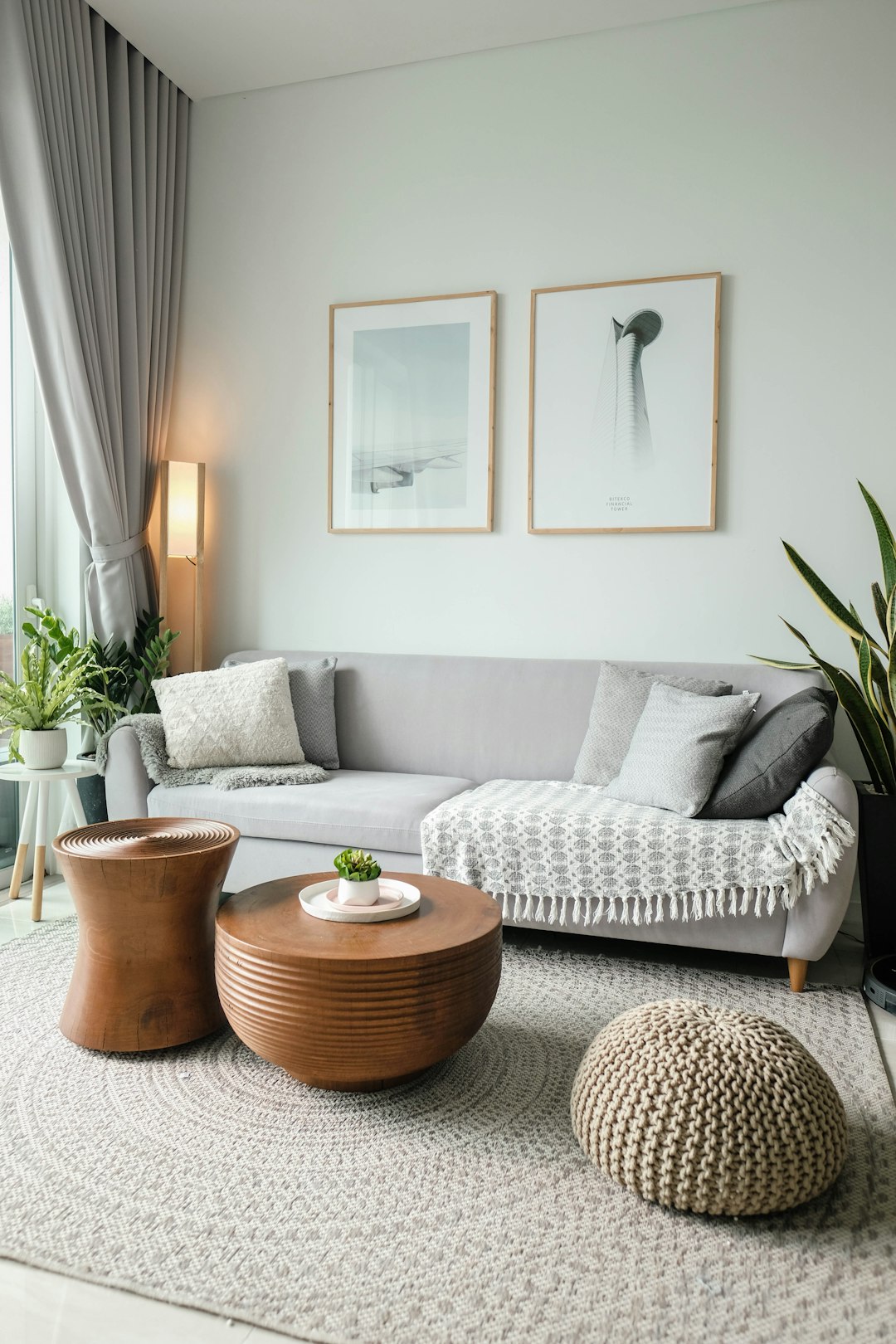
The Healing Effects of Biophilia—and How to Bring It Home with Organic Modern Design
There’s a reason you feel better after a walk near the water, time in a garden, or even sitting by a sunny window. Your body softens. Your breath slows. Your mind clears.
That response isn’t imagined. It’s human nature.
Biophilia is the idea that we have an innate need to connect with nature. When we weave natural elements into our homes—light, plants, organic textures, earthy colors, and flowing forms—we can create spaces that feel calmer, healthier, and more supportive day to day.
For professional women in transition (late 50s to early 70s), this matters deeply. Your home isn’t just décor. It’s your restoration space. It’s where you regulate your nervous system, rebuild energy, and create a lifestyle that fits who you are now.
In this post, you’ll learn:
- what biophilic design is (in plain language),
- the healing effects it can support in everyday life,
- and how organic modern interior design is one of the easiest, most elegant ways to bring biophilia into your home—without turning your living room into a jungle.
What Is Biophilia (and Why Does It Feel So Good)?
Biophilia simply means “love of life” or “love of living things.” In design, it refers to creating environments that help us stay connected to the natural world.
You don’t need floor-to-ceiling plants to do this. Biophilic design can be as simple as:
- letting in more natural light,
- choosing natural materials,
- adding greenery,
- using colors found in nature,
- and prioritizing airflow, comfort, and sensory ease.
It’s not a trend. It’s a return to what your system already knows: nature restores.
The Healing Effects of Biophilia in the Home
Let’s be real: life transitions can be emotionally and physically demanding. Even positive changes can bring stress—new routines, shifting identity, changing relationships, and the mental load of decisions.
A home that supports your wellbeing isn’t a luxury. It’s smart self-care.
Here are some of the most meaningful ways biophilic design can feel “healing” in everyday life.
1) It Helps Your Nervous System Downshift
When your home includes natural cues—soft light, organic textures, gentle color—your body receives a message: you are safe here.
That feeling of safety can make it easier to:
- unwind after work,
- sleep more deeply,
- and recover from stress.
You may notice fewer “edgy” moments at home because your environment is no longer overstimulating.
2) It Supports Focus and Mental Clarity
Natural light and nature-based design elements can reduce the feeling of mental clutter. When your space feels visually calm, your brain doesn’t have to work as hard.
This is especially helpful if you:
- work from home part-time,
- are managing a busy schedule,
- or feel easily overwhelmed by “too much stuff.”
A biophilic home often feels like a deep exhale.
3) It Encourages Better Daily Habits
When your home feels good, you naturally take better care of yourself in it.
You might:
- cook more,
- stretch or do yoga,
- read in the evenings,
- invite friends over,
- or simply spend less time numbing out on your phone.
Biophilic design doesn’t force habits. It invites them.
4) It Creates a Stronger Sense of Belonging
In a transition, you may be redefining what “home” even means. Biophilic elements create a sense of rootedness—like your space is connected to something timeless.
That can be deeply comforting when other things feel in flux.
5) It Improves the Sensory Experience of Your Space
A healing home isn’t just about looks. It’s about how things feel:
- warm woods under your hand,
- linen curtains moving with air,
- natural light shifting throughout the day,
- the softness of wool, cotton, and boucle,
- the quiet presence of plants.
This sensory richness is what makes a home feel nurturing—not sterile.
(Note: Biophilic design supports wellbeing, but it’s not a substitute for medical care. Think of it as lifestyle support that can make daily life feel better.)
Why Organic Modern Design Is a Perfect Match for Biophilia
Organic modern design style blends clean modern lines with warm natural materials and soft, nature-inspired forms. It’s elevated, simple, and calming—without feeling cold.
If “modern” sometimes reads as stark or hard, organic modern is the antidote.
Organic modern design typically includes:
- natural wood tones (oak, walnut, ash)
- stone and clay textures
- linen, cotton, wool, boucle
- soft neutrals (warm white, sand, oatmeal, taupe)
- muted earthy accents (olive, terracotta, charcoal, deep blue)
- rounded silhouettes and gentle curves
- fewer, better pieces (not clutter)
- thoughtful negative space (breathing room)
This style naturally supports biophilia because it prioritizes:
- nature-inspired materials,
- calming visual simplicity,
- and a sensory, grounded feel.
In other words: organic modern is biophilia, styled.
How to Bring Biophilic Healing into Your Home with Organic Modern Design
Here are practical, beautiful ways to tie biophilia and organic modern design together—room by room and choice by choice.
1) Start with Natural Light (Your Most Powerful Design Tool)
Light affects mood, energy, and sleep. In organic modern spaces, light is treated like a feature—not an afterthought.
Try this:
- Swap heavy curtains for linen drapery that filters light.
- Use sheer panels in rooms where privacy matters.
- Add a mirror to bounce light deeper into the room.
- Keep window areas visually clean (avoid bulky furniture blocking light).
Organic modern tip: Choose warm whites on walls to reflect light gently, not harshly.
2) Choose a Nature-Based Color Palette
If you want your home to feel healing, start with colors that soothe your nervous system.
A simple organic modern palette:
- warm white or soft greige walls
- natural wood tones
- accents in olive, clay, ink blue, or charcoal
- black or bronze metal touches for structure
Easy formula:
Pick one earthy accent color and repeat it in three places: textiles, art, and an accessory.
3) Layer Natural Materials (This Is Where the “Healing” Feeling Lives)
Organic modern design is all about texture. This is what makes a neutral palette feel rich instead of boring.
Look for:
- oak, walnut, rattan, cane
- linen, cotton, wool
- jute, sisal, seagrass rugs (or wool if you want softer underfoot)
- ceramic, clay, travertine, marble (even in small accents)
Quick upgrade: Add one large natural texture per room—a wool rug, linen curtains, or a wood coffee table. It changes the room instantly.
4) Bring in Plants—But Make It Grown-Up and Easy
Plants are the most direct biophilic element. They soften a room visually and bring a subtle sense of life.
If you’re not a “plant person,” choose low-maintenance options.
Easy plants for beginners (generally):
- pothos
- snake plant
- ZZ plant
- peace lily (if you like flowering greenery)
- rubber plant
Grown-up plant styling tips:
- Use fewer plants, but go bigger. One large floor plant can look more intentional than six tiny ones.
- Choose planters in organic modern materials: ceramic, clay, stone, matte textures.
- Group plants in odd numbers (1 or 3), not scattered everywhere.
No shame if plants aren’t your thing: high-quality faux can still provide visual biophilia.
5) Add Organic Shapes and Curves (So Your Space Feels Softer)
Nature doesn’t do sharp corners everywhere. Organic modern design brings in curves to reduce visual tension.
Try:
- a round coffee table or oval dining table
- an arched mirror
- a curved-back accent chair
- rounded ceramic vases
- a soft-edged sofa silhouette
Quick win: Swap one “hard” piece for a curved one. Even a round side table can soften an entire seating area.
6) Use Scent and Sound as Part of Design
A healing home isn’t just visual. It’s sensory.
Biophilic sensory additions:
- beeswax or soy candles with nature-based scents (cedar, vetiver, citrus, lavender)
- essential oil diffuser (if you enjoy it)
- soft instrumental playlists
- a small tabletop fountain (if you love water sound)
- textiles that reduce echo (rugs, curtains, upholstered furniture)
Organic modern homes often feel quieter because they use soft materials that absorb sound.
7) Create One “Restorative Zone” in Your Home
If you do nothing else, create one spot that functions like a mini-retreat.
This can be:
- a reading chair by the window,
- a calm bedroom corner,
- a breakfast nook with a view,
- or a small patio moment with greenery.
Restorative zone checklist:
- comfortable seat
- good lamp or natural light
- soft textile (throw or cushion)
- small surface (table/tray)
- one living element (plant, fresh flowers, or a nature photo)
This is where the healing becomes real—because you actually use it.
Organic Modern + Biophilia: A Simple “Whole Home” Starter Plan
If you want a clear plan without overwhelm, start with this:
- Light: Upgrade window treatments to linen or sheers
- Palette: Choose warm neutral walls + one earthy accent
- Texture: Add a wool rug or natural fiber rug
- Greenery: Add one large plant in a ceramic pot
- Curves: Add one rounded piece (mirror, table, chair)
- Lighting: Add two warm lamps per main room
- Rest zone: Create one daily retreat spot
That’s enough to shift your home from “fine” to “healing.”
Why This Matters in Your Next Chapter
As you evolve, your home should evolve with you.
Organic modern design paired with biophilic elements creates a space that feels:
- calm but not bland,
- modern but not cold,
- elevated but still comfortable,
- simple but deeply personal.
It’s a style that supports who you are becoming.
You don’t need a perfect home. You need a home that helps you breathe.
Want Help Creating a Biophilic Organic Modern Home—Without Overwhelm?
If you’re ready to bring more calm, nature, and beauty into your space, a guided design process can make it enjoyable and simple. Together, we can shape a plan that fits your lifestyle, your taste, and your next chapter—so your home feels like a true sanctuary.
Your home can be more than pretty.
It can be restorative.
Call Steve at Creative Space Interiors at 510.501.1213 and visit us at www.creativespaceinteriors.biz